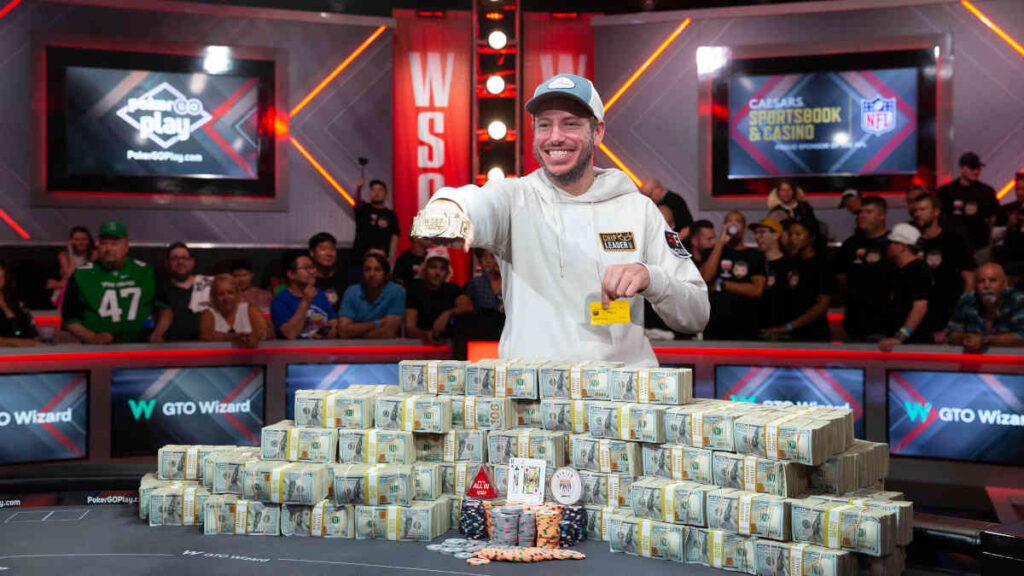


The 2026 World Series of Poker (WSOP) Main Event is set to be the biggest and most anticipated poker tournament of the year. Scheduled to run from July 2-13, with the final table taking place on a later date, this prestigious event is expected to draw in record-breaking viewership from around the world. As the culmination of the WSOP series, the Main Event is the ultimate test of skill, strategy, and nerves for the world’s top poker players. For those looking to get in on the action, understanding the key betting strategies can be the difference between a deep run and an early exit.
Bankroll Management: The Foundation of Successful Betting
Effective bankroll management is the cornerstone of any successful betting strategy in the WSOP Main Event. With a massive field of players and high buy-in, it’s crucial to approach the tournament with a well-structured bankroll plan. Experts recommend allocating no more than 5-10% of your total bankroll to the Main Event, ensuring that a single early exit doesn’t cripple your overall poker funding. By maintaining a disciplined approach to bankroll management, players can weather the inevitable ups and downs of the tournament and position themselves for long-term success.
Navigating the Early Stages: Patience and Aggression

The early levels of the WSOP Main Event are often characterized by a cautious, tight-aggressive (TAG) style of play. As players look to preserve their chips and avoid costly mistakes, it’s essential to find the right balance between patience and aggression. Seasoned pros like Daniel Negreanu and Doyle Brunson recommend playing a solid, fundamental game in the early levels, focusing on value betting and protecting your stack. However, this doesn’t mean playing a completely passive style. Selectively applying pressure with well-timed bluffs and three-bets can help you gain an edge and accumulate chips before the later stages of the tournament.
The Importance of Position
Position is a crucial factor in the early stages of the WSOP Main Event. Players in late position, such as the cutoff and button, have a significant advantage as they can gather more information and act last, allowing them to make more informed decisions. By capitalizing on this positional edge, players can maximize their value bets, bluff more effectively, and minimize the risk of getting outplayed by opponents in earlier positions.
Navigating the Bubble
As the tournament approaches the money bubble, the dynamics shift, and players become increasingly risk-averse. This is a crucial juncture where the ability to adapt and make the right decisions can make or break a player’s tournament run. Experienced pros like Vanessa Selbst and Phil Ivey recommend tightening up your range, focusing on accumulating chips through value bets and selective aggression, and avoiding unnecessary confrontations that could jeopardize your chances of cashing.
The Middle Stages: Adjusting Your Approach
As the tournament progresses and the field narrows, the betting dynamics evolve, and players must be prepared to adjust their strategies accordingly. In the middle stages, the focus shifts from preserving chips to building a substantial stack and positioning oneself for a deep run. Players like Fedor Holz and Bryn Kenney emphasize the importance of recognizing and capitalizing on changes in the playing environment, such as increased aggression, wider opening ranges, and a greater emphasis on post-flop play.
Leveraging ICM Considerations
The middle stages of the WSOP Main Event also introduce the concept of Independent Chip Model (ICM), which takes into account the relative value of a player’s chip stack based on their position in the tournament. By understanding and incorporating ICM principles into their decision-making, players can optimize their betting strategies to maximize their chances of advancing to the later stages and potentially securing a life-changing payout.
Exploiting Opponents’ Tendencies
As the field narrows, players will have more opportunities to gather information about their opponents’ playing styles and tendencies. Seasoned pros like Olivier Busquet and Jason Koon recommend closely observing and analyzing the betting patterns and decision-making of their opponents, allowing them to identify exploitable weaknesses and adjust their strategies accordingly.
The Final Table: Navigating High-Pressure Situations
Reaching the final table of the WSOP Main Event is the ultimate goal for every player, but the pressure and stakes involved can be overwhelming. At this stage, the ability to maintain composure, make sound decisions, and adapt to the evolving dynamics of the table becomes paramount. Players like Doyle Brunson and Daniel Negreanu emphasize the importance of maintaining a calm, focused mindset, as well as the willingness to adjust their strategies based on the playing styles and chip stacks of their opponents.
Leveraging Position and Chip Stacks
At the final table, position and chip stack size become crucial factors in determining the optimal betting strategies. Players with larger chip stacks can afford to be more aggressive, while those with shorter stacks must carefully navigate their options to maximize their chances of survival. By understanding the power dynamics at the table and adjusting their play accordingly, players can increase their chances of emerging victorious from the WSOP Main Event.
Responsible gambling is essential, even in the high-stakes world of the WSOP Main Event. Players should always set a budget, know their limits, and seek help if they feel their gambling is becoming problematic. By approaching the tournament with a balanced, disciplined, and responsible mindset, players can maximize their chances of success while prioritizing their overall well-being.